When DIY Wildlife Removal Becomes Risky and Professional Help Is Needed
When DIY wildlife removal becomes risky and professional help is needed, local service providers can safely and effectively handle animal intrusions to protect your property.
Many property owners in the area find themselves questioning whether attempting wildlife removal on their own is a safe and effective solution. While DIY methods might seem straightforward initially, certain situations quickly reveal the risks involved, especially when dealing with animals that have taken up residence in hard-to-reach or sensitive areas. Recognizing when wildlife removal becomes risky and professional help is needed can prevent further property damage and safeguard personal safety. Local service providers have the experience and tools to handle these situations properly, ensuring that animals are removed humanely and that entry points are sealed effectively.
Understanding the signs that indicate professional wildlife removal is necessary can save time, effort, and potential hazards. If animals are nesting in attics, behind walls, or in other concealed spots, attempting to handle the situation without proper training can lead to injury or the spread of disease. Additionally, some animals may become aggressive when threatened, increasing the danger for untrained individuals. Local contractors specializing in wildlife removal are equipped to assess the situation accurately and implement safe, humane solutions. Keep reading to learn more about when DIY wildlife removal becomes risky and how local experts can assist in resolving these issues safely and efficiently.
- Bat exclusion - when DIY methods fail to safely remove bats from attics or walls, local contractors can implement humane exclusion techniques.
- Squirrel trapping and removal - if squirrels are difficult to access or have caused extensive damage, professional services use specialized tools and strategies.
- Raccoon den removal - when raccoons establish nests in roof eaves or chimneys, local pros can safely and effectively remove them and secure entry points.
- Bird control and nest removal - if DIY attempts risk damaging nests or violating wildlife laws, experienced contractors handle the removal and prevention measures.
- Wildlife damage repairs - when animals have caused structural or insulation damage, local service providers can address repairs safely and thoroughly.
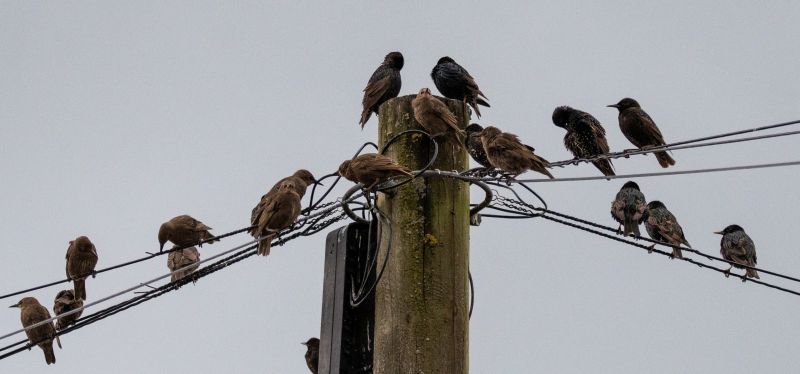
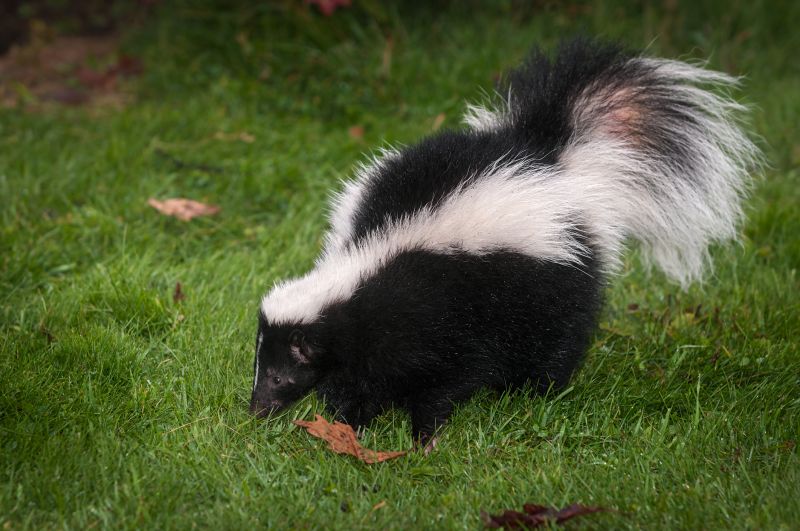
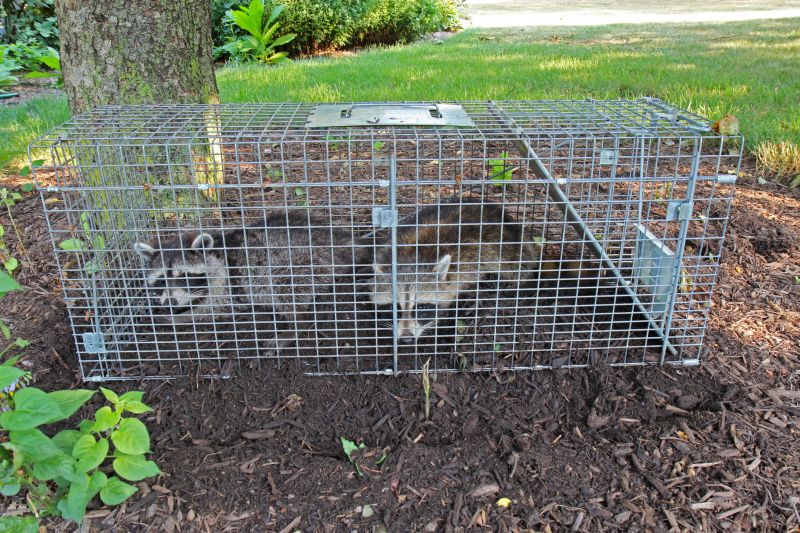
When homeowners search for information about when DIY wildlife removal becomes risky and professional help is needed, they are often trying to determine whether a wildlife issue can be safely handled without expert assistance. These searches typically relate to situations where animals have taken up residence in or around a property, such as in attics, walls, chimneys, or crawl spaces. Many property owners initially consider DIY methods to remove animals like raccoons, squirrels, bats, or birds, aiming to save money or avoid inconvenience. However, they may encounter challenges or risks that make professional wildlife removal services a safer and more effective choice.
The problems associated with DIY wildlife removal often involve animals that are difficult to access or handle safely. For example, attempting to remove bats from an attic without proper equipment and knowledge can lead to incomplete exclusion, leaving animals behind or causing them to relocate into other parts of the home. Similarly, trying to trap or exclude raccoons or squirrels without understanding animal behavior can result in injury to the animals or damage to the property. Property plans related to wildlife removal frequently include securing entry points, ensuring animals are safely relocated, and preventing future invasions-all tasks that demand experience and specialized tools to avoid unintended consequences.
The types of properties that typically come up in discussions about when DIY wildlife removal becomes risky include residential homes, especially those with attics, roof vents, or chimneys. Older houses with less secure structures are more prone to animal invasions, making them common sites for wildlife issues. Commercial buildings, barns, and other outbuildings can also attract wildlife, particularly if they have openings or unused spaces. In all cases, the complexity of the property’s architecture and the presence of multiple access points increase the difficulty of DIY removal efforts and highlight the need for skilled local service providers who understand how to handle different property types effectively.
Understanding when DIY wildlife removal becomes risky involves recognizing the limits of personal knowledge and the potential hazards involved. Animals like bats and raccoons can carry diseases, and improper handling or exclusion attempts can lead to bites, scratches, or the spread of germs. Structural damage from unprofessional exclusion efforts can also create ongoing issues or safety hazards. Engaging with local pros ensures that wildlife is removed humanely, the property is properly secured, and future problems are minimized. These experts have the experience to assess each property’s unique needs and implement safe, effective solutions that homeowners may not be equipped to handle on their own.
Attic Insulation Installation - Installing or repairing attic insulation often involves working in confined spaces and dealing with pests, making professional assistance advisable when DIY wildlife removal becomes risky.
Gutter Cleaning and Maintenance - Clearing gutters can disturb nesting wildlife and pose safety hazards, highlighting the need for experienced contractors to handle wildlife-related obstructions.
Structural Repairs and Reinforcements - Repairing damaged building exteriors or sealing entry points requires careful planning and tools that local service providers can provide to prevent future wildlife intrusion.
Tree Trimming and Removal - Trimming or removing trees near structures can disturb nesting animals, and professionals are equipped to manage these projects safely and effectively.
Chimney Sweeping and Cap Installation - Addressing chimney blockages or installing caps to prevent wildlife entry involves specialized tools and knowledge that local contractors possess.
Foundation and Basement Sealing - Sealing foundation cracks or basement entry points to prevent wildlife access demands expertise and proper equipment often available from local service providers.
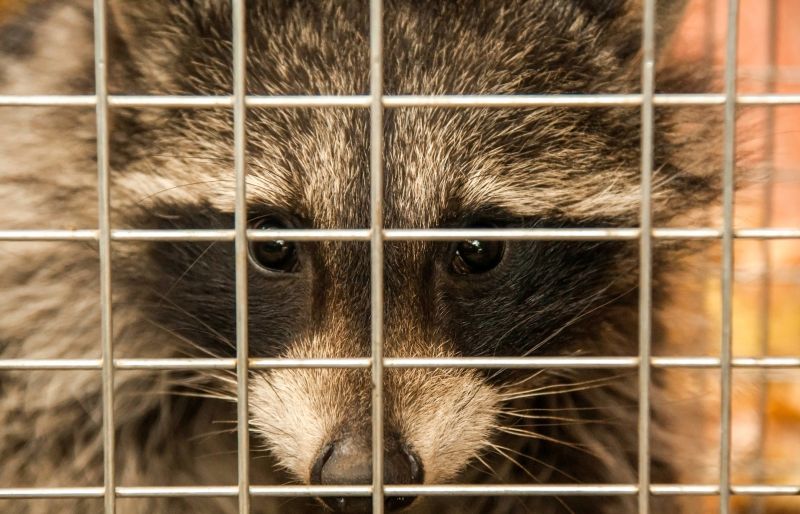
When evaluating wildlife removal services, it is important for homeowners to consider the experience of local contractors with similar projects. Wildlife removal can involve complex challenges, such as safely handling animals and preventing future invasions, which require a contractor to have a proven track record in these types of jobs. Homeowners should seek service providers who can demonstrate familiarity with the specific wildlife species involved and have a history of successful, humane removals. Verifying the contractor’s experience helps ensure that the work will be handled effectively and reduces the risk of complications that might arise from inexperience.
Clear written expectations are essential when choosing wildlife removal services. Homeowners should look for providers who can offer detailed descriptions of their process, including how they plan to handle animals, seal entry points, and prevent re-entry. Having these expectations in writing provides transparency and helps prevent misunderstandings about the scope of work. It also allows homeowners to assess whether the service provider’s approach aligns with their needs and concerns. A professional contractor will be willing to outline the steps involved and answer questions openly, fostering a sense of trust and clarity before any work begins.
Reputable references and good communication are key indicators of a reliable wildlife removal service. Homeowners should ask for references or reviews from previous clients to gain insight into the contractor’s professionalism and quality of work. Effective communication throughout the process ensures that homeowners stay informed and can address any concerns promptly. Service providers who prioritize clear, timely, and respectful communication are more likely to deliver a positive experience and handle the job responsibly. These qualities help homeowners feel confident in the decision to work with a particular contractor, especially when dealing with situations where DIY wildlife removal becomes risky and professional help is needed.
Property owners often search for when DIY wildlife removal becomes risky and professional help is needed when they are planning practical projects around their homes and businesses. Local pros provide Wildlife Removal services for everyday jobs and straightforward project options.
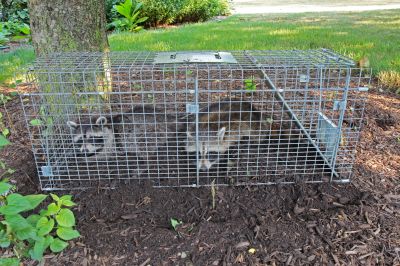
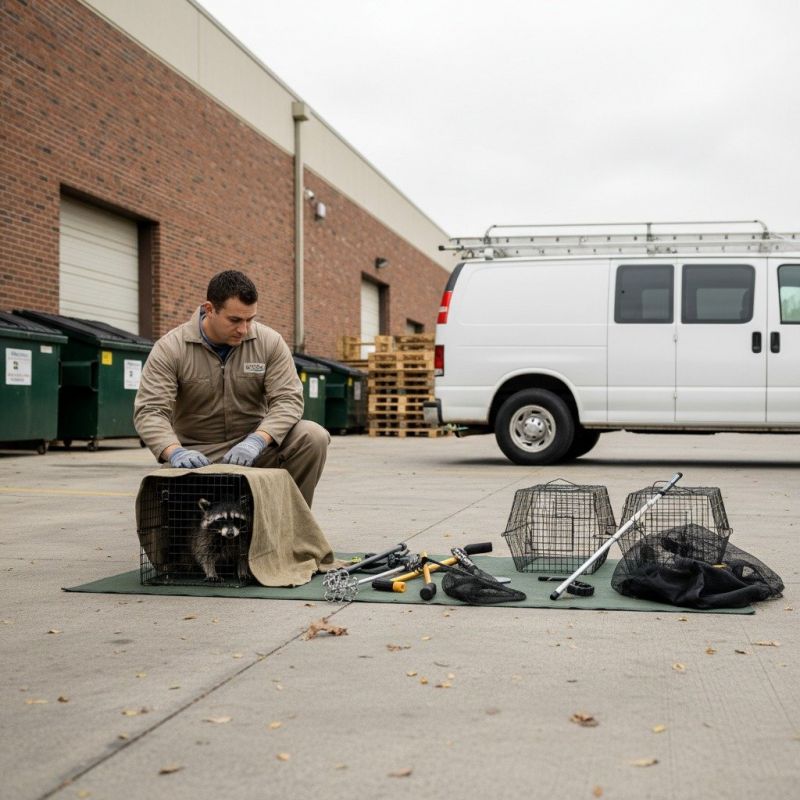
Homeowners often attempt DIY wildlife removal when they notice animals such as raccoons, squirrels, or birds nesting in attics, chimneys, or vents. While small-scale projects might seem manageable, property owners in the area should be cautious about handling wildlife on their own, especially when animals are difficult to access or appear aggressive. In these situations, seeking help from local contractors who specialize in wildlife removal can prevent potential risks, including injury or property damage, that can arise from improper handling or inadequate removal methods.
Situations that involve animals in hard-to-reach spots or signs of infestation-such as persistent noise, droppings, or damage-highlight when DIY wildlife removal becomes risky and professional help is needed. Attempting to remove animals without proper tools or knowledge can lead to animals becoming trapped or injured, which may worsen the problem. Connecting with experienced service providers ensures that wildlife is removed safely and humanely, reducing the likelihood of future issues and safeguarding property owners from unnecessary hazards.
When does DIY wildlife removal become risky and professional help is needed? DIY wildlife removal becomes risky and professional help is needed when animals are difficult to access, aggressive, or have caused extensive damage, making safe and effective removal challenging for untrained individuals.
What signs indicate that wildlife removal should be handled by professionals? Signs include persistent animal presence despite attempts to remove them, signs of animal nesting or droppings in hard-to-reach areas, and evidence of animals with injuries or illness that require specialized handling.
Why is attempting to remove certain wildlife without expertise dangerous? Attempting removal without expertise can be dangerous due to the risk of bites, scratches, or disease transmission, as well as the potential to unintentionally cause further damage or allow animals to return.
In what situations is professional wildlife removal necessary for safety reasons? Professional wildlife removal is necessary when animals are in locations that pose safety hazards, such as in wall cavities, attics, or near electrical wiring, where improper removal could lead to injury or property damage.
How can local service providers assist when DIY wildlife removal becomes risky? Local contractors can safely handle difficult or dangerous situations, ensure humane removal, and address underlying issues to prevent future problems, providing peace of mind when DIY efforts are no longer sufficient.
Assessing wildlife activity - property owners can observe signs of animal presence and decide when professional wildlife removal services are necessary to ensure safety.
Handling entry points - temporarily sealing small openings can be a DIY step, but larger or complex entry points should be managed by local contractors to prevent animal injury or property damage.
Dealing with injured or trapped animals - attempting to remove or relocate animals in distress can be risky, making professional help essential for humane and safe removal.
Identifying species risks - recognizing when wildlife species pose health hazards or aggressive behavior helps determine the need for expert intervention to avoid potential dangers.
If you are thinking about when DIY wildlife removal becomes risky and professional help is needed for a property, this guide is meant to help you understand this topic, the typical project types, and how different options might fit your plans.
When you are ready, you can use the quote form on this page to share a few details about your project. From there, local pros can review the basics and follow up with options that match what you have in mind.